
Safety Rate
If your heart is beating too slowly or skipping beats, a pacemaker can help it get back on track. Pacemaker implantation in Chennai is a well-established cardiac procedure that has helped thousands of people live a fuller, more active life. Dr. Karthik Sabapathi, a trusted Consultant Interventional Cardiologist based in Chennai, brings the right mix of clinical experience, technical skill, and genuine patient care to every procedure he performs.
Whether you have been recently diagnosed with a heart rhythm problem or have been managing one for some time, this page will walk you through everything you need to know — in simple, easy-to-follow language.
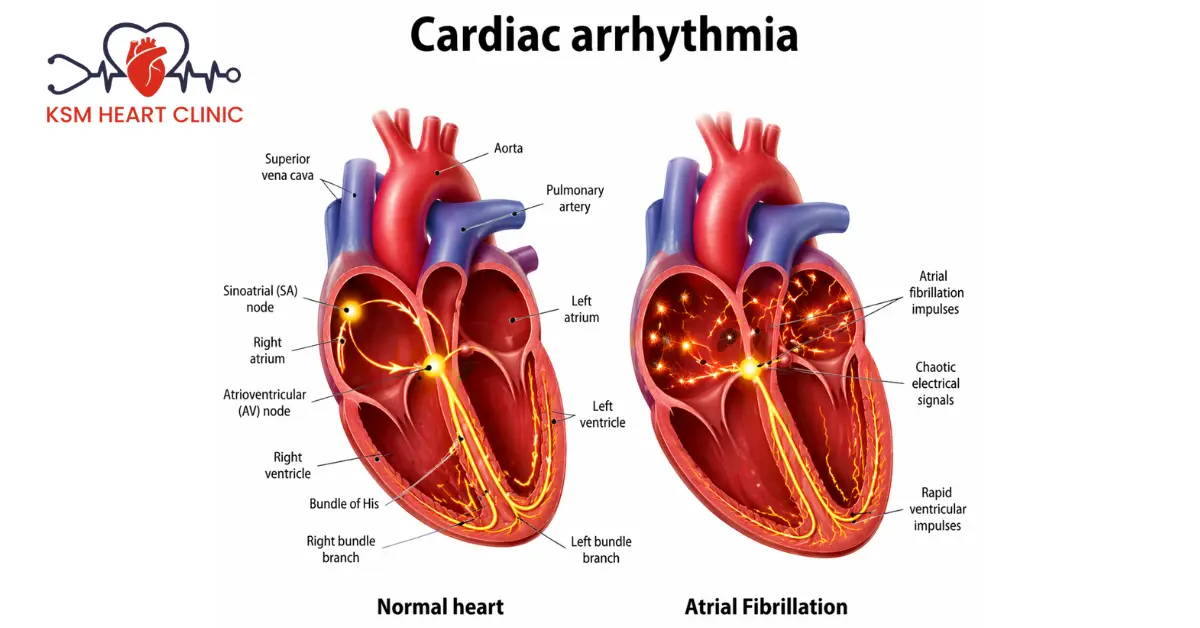
The heart has its own natural electrical system that keeps it beating in a steady rhythm. When this system starts to malfunction, the heart may beat too slowly, too irregularly, or in a way that does not properly pump blood to the rest of the body.
A pacemaker is a small, battery-powered device placed under the skin near the collarbone. It continuously monitors your heart's rhythm and sends gentle electrical signals whenever the heart needs a nudge to beat at the right pace. Think of it as a silent, reliable assistant working inside your chest around the clock.
Pacemaker implantation is the surgical procedure through which this device is placed. It is a minimally invasive procedure — meaning it does not require open-heart surgery — and most patients return home within one to two days. Over time, the pacemaker adjusts its signals based on your activity level, so whether you are resting or walking, your heart keeps up with your body's needs.
Dr. Karthik Sabapathi performs the pacemaker implantation procedure in Chennai with precision, using current medical standards and imaging technology to ensure accurate placement and long-term device function.
Not every irregular heartbeat requires a pacemaker. But when symptoms start affecting your day-to-day life, or when tests confirm that the heart's electrical system is not working properly, a pacemaker becomes an important and necessary option.
Getting a pacemaker is not just about treating a medical condition — it is about getting your life back. Here is what most patients experience after a successful procedure:
A pacemaker works continuously to keep the heart beating at a healthy rate. When the heart beats correctly, blood flows properly to the brain, muscles, and organs. Patients who previously felt dizzy or short of breath while doing basic tasks often notice a clear difference once the pacemaker begins working. The body gets the circulation it needs, and many day-to-day discomforts begin to ease.
Fatigue, breathlessness, light-headedness, and the feeling of a heavy or racing chest are common complaints in people with heart rhythm problems. After pacemaker implantation, many patients report that these symptoms reduce significantly. Tasks that felt tiring — climbing stairs, walking to the market, spending time with family — become manageable again. The improvement in energy levels often surprises patients who had grown used to feeling worn out.
A slow or erratic heartbeat can, in some situations, lead to sudden fainting, falls, or in severe cases, cardiac arrest. A pacemaker provides a safety net by continuously monitoring the heart and stepping in instantly when needed. This round-the-clock monitoring significantly lowers the chance of a sudden and dangerous event, giving both the patient and their family greater peace of mind.
Modern pacemakers are built to last. Battery life typically ranges from seven to fifteen years depending on the device and how often it is used. Once implanted, the pacemaker requires regular check-ups — but no daily maintenance from the patient's side. Dr. Karthik Sabapathi provides structured follow-up care so that the device continues to perform well over the years.
When it comes to pacemaker implantation cost in Chennai, Dr. Karthik Sabapathi believes in transparency. The cost depends on factors such as the type of pacemaker, the hospital facility, and any associated investigations. During your consultation, you will receive a clear understanding of what the procedure involves financially, so you can plan without uncertainty.
Understanding the procedure step by step can help ease any concerns you may have. Here is how pacemaker implantation typically unfolds under Dr. Karthik Sabapathi's care.
Before the procedure, Dr. Karthik Sabapathi will review your complete medical history, ongoing medications, and recent test results. You will be asked to stop certain blood-thinning medications a few days in advance if applicable. Routine tests — blood work, an ECG, a chest X-ray, and possibly an echocardiogram — are done to confirm your baseline health status.
You will be asked to fast (avoid food and drink) for a few hours before the procedure. A member of the care team will walk you through what to expect on the day of the implantation, so there are no surprises.
The procedure is performed in a cardiac catheterisation lab, also called a cath lab, under local anaesthesia with mild sedation. You will be awake but relaxed. The entire procedure usually takes between one and two hours.
A small incision is made just below the collarbone. Through a vein in this area, one or more thin, flexible wires (called leads) are guided into the heart using live X-ray imaging. These leads are positioned precisely in the appropriate chambers of the heart and connected to the pacemaker device.
The pacemaker itself is placed in a small pocket created under the skin. Once everything is checked and confirmed to be working correctly, the incision is closed with sutures. The process is calm and structured, and Dr. Karthik Sabapathi maintains clear communication throughout.
Most patients are kept for observation for one to two days in the hospital. During this time, the heart rhythm is monitored continuously to confirm the pacemaker is functioning correctly.
After discharge, you will receive clear instructions on wound care, activity restrictions (such as avoiding lifting heavy objects on the affected side for a few weeks), and when to return for a follow-up check. Dr. Karthik Sabapathi schedules regular pacemaker check-ups — also called device interrogations — where the settings of your pacemaker can be reviewed and adjusted without any surgical procedure.
Patients are also educated on living comfortably with a pacemaker — including guidance on everyday equipment like mobile phones, security scanners, and household appliances — so that daily life continues with confidence.
Like any medical procedure, pacemaker implantation carries a small degree of risk. It is important to understand these so you can make an informed decision in consultation with your doctor.
It is worth noting that these complications are uncommon, especially when the procedure is performed by an experienced interventional cardiologist. Dr. Karthik Sabapathi's careful approach and the use of precise imaging technology during the pacemaker implantation procedure in Chennai significantly reduces procedural risk.
Pacemakers are not only for older adults or those who develop heart rhythm problems later in life. Some individuals are born with congenital heart conditions that affect how the heart's electrical system develops or functions. In these cases, a pacemaker may be recommended at a younger age.
Congenital complete heart block, for example, is a condition present from birth where the electrical signals between the upper and lower chambers of the heart are severely disrupted. Without treatment, this can lead to serious complications. A pacemaker in such cases provides the necessary electrical support to keep the heart beating correctly throughout the patient's life.
Children born with certain structural heart defects who undergo corrective surgery may also develop conduction problems as a result of the surgery. A pacemaker may then be implanted to support normal heart function going forward.
For adults who were born with heart defects and are now managing long-term cardiac care, rhythm disorders can develop over time. A pacemaker remains an important tool in their ongoing management.
Dr. Karthik Sabapathi has experience evaluating and managing patients across a range of cardiac conditions, including those with congenital origins. Each patient's history is reviewed carefully before any procedure is planned.
Patients with structural heart conditions often require a multi-faceted approach to cardiac care. Pacemaker implantation may be one part of a broader treatment plan that also includes:
Together, these procedures help Dr. Karthik Sabapathi build a complete picture of each patient's heart health, so treatment decisions are well-informed and tailored to the individual.
Pacemaker implantation in chennai combines expert medical precision with advanced cardiac technology to restore normal heart rhythm and improve daily living. Skilled specialists ensure safe implantation, personalized follow-up care, and lasting results. With its excellence in heart care, Chennai stands as a leading destination for pacemaker procedures. This treatment empowers patients to live healthier, more active lives with a steady and reliable heartbeat.
Dr. Karthik Sabapathi brings together clinical expertise, calm communication, and genuine concern for every patient who walks through his door. From your first consultation to long-term follow-up, his approach is structured around your comfort, clarity, and wellbeing.
Whether you are looking to understand your options, get a second opinion, or take the next step toward treatment, Dr. Karthik Sabapathi is available to guide you with honesty and care.
During pacemaker implantation, a small device is placed under the skin near the chest. It sends electrical signals to help the heart maintain a steady rhythm. The procedure involves inserting leads into the heart through veins, connecting them to the pacemaker, and ensuring proper function before closing the incision.
After pacemaker implantation, most patients can live long and healthy lives. Modern pacemakers typically last 8–15 years before needing replacement. Life expectancy depends on age, overall health, and underlying heart condition. With proper follow-up and care, many patients experience improved heart function and a better quality of life.
Pacemaker implantation is considered a minor, minimally invasive surgery. It’s usually performed under local anesthesia and takes about one to two hours. Most patients return home within a day. Though small risks exist, it’s generally safe and effective in restoring a regular heartbeat and improving cardiac health
Our experienced anaesthesiologists are here to ensure your safety and comfort