Heart blockage occurs when the arteries supplying blood to the heart become narrowed due to fat and cholesterol deposits. This reduces oxygen supply to the heart muscle and may lead to chest pain or heart attack. Understanding the reason for heart blockage is important because the condition often develops slowly over time. Early awareness helps in timely diagnosis, lifestyle correction, and prevention of serious complications.
What is Heart Blockage?
Coronary arteries explained
- The heart depends on coronary arteries to receive oxygen-rich blood. These arteries run over the surface of the heart and branch into smaller vessels to nourish different parts of the heart muscle. When these arteries are healthy and flexible, blood flows smoothly without restriction.
- If the inner lining of these arteries becomes damaged due to cholesterol, high blood pressure, or diabetes, fatty deposits begin to accumulate. Over time, this reduces the diameter of the artery and restricts blood flow.
How blood supply to the heart works
Every time the heart beats, it pumps blood to the entire body and simultaneously receives its own blood supply through the coronary arteries. When the body requires more oxygen during physical activity or stress, the heart needs increased blood flow.
If there is narrowing in the arteries, the increased demand cannot be met. This mismatch between supply and demand leads to chest discomfort or fatigue. Identifying the reason for heart blockage at this stage can prevent severe damage to the heart muscle.
Main Reason for Heart Blockage
- Arterial Plaque Accumulation: Over time, fatty deposits known as plaque build up inside the coronary arteries. This condition, called atherosclerosis, gradually narrows the vessels and limits oxygen-rich blood flow to the heart muscle. If the blockage becomes severe, it can trigger chest pain or even a heart attack.
- Cholesterol and Hypertension Damage: High LDL cholesterol contributes to plaque formation along the artery walls. Uncontrolled high blood pressure adds constant force against these walls, causing microscopic injuries that make plaque buildup easier and faster.
- Unhealthy Lifestyle Patterns: Smoking damages blood vessels and reduces oxygen delivery. Diets high in saturated fats, processed foods, and excess salt increase cardiovascular strain, while physical inactivity and chronic stress further weaken heart health over time.
- Metabolic and Genetic Risk Factors: Conditions like diabetes and obesity accelerate artery damage by affecting blood sugar and fat metabolism. A strong family history of heart disease also increases risk, making early screening and preventive care especially important.
Common Risk Factors
Several conditions increase the likelihood of developing blockage:
- High cholesterol: Promotes plaque formation inside arteries.
- High blood pressure: Damages vessel walls and accelerates narrowing.
- Diabetes: Increases fat deposition and inflammation.
- Smoking: Reduces oxygen delivery and injures blood vessels.
- Obesity: Associated with high cholesterol and hypertension.
- Sedentary lifestyle: Weakens cardiovascular health.
- Family history: Genetic predisposition increases risk.
People with these risk factors should undergo regular screening. Ignoring the reason for heart blockage can delay treatment and increase the risk of heart attack.
Lifestyle Reasons for Heart Blockage
Heart blockage doesn’t happen overnight, it builds slowly through daily habits. Unhealthy lifestyle choices quietly damage blood vessels and accelerate plaque formation inside the arteries. Understanding these modifiable risk factors is the first step toward protecting long-term heart health.
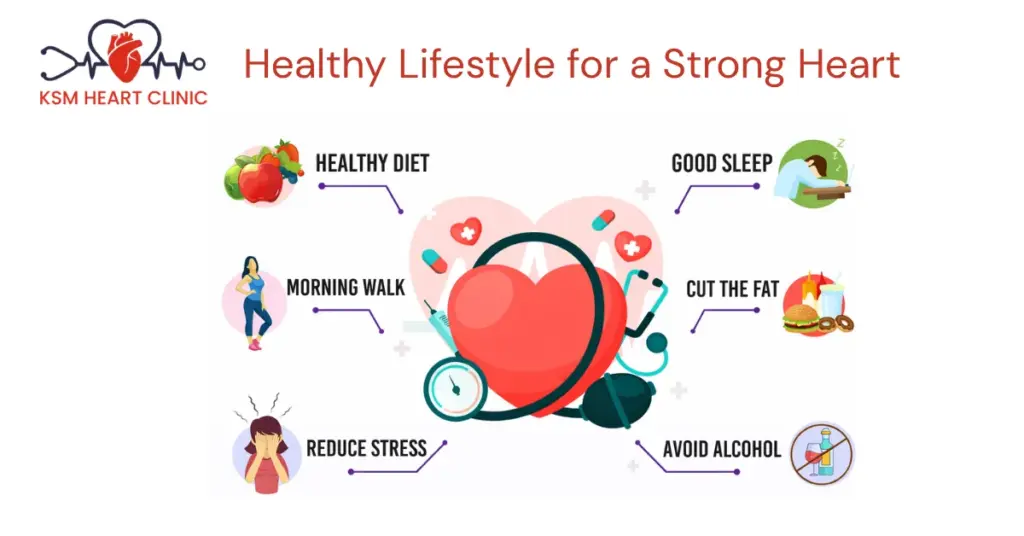
- Poor Dietary Patterns: An unhealthy diet is one major reason for heart blockage, as excess saturated fats, trans fats, and added sugars raise cholesterol and promote plaque buildup. Choosing balanced meals with whole grains, vegetables, and healthy fats is one of the key steps in understanding how to prevent heart blockage naturally.
- Sedentary Lifestyle Risks: Lack of regular exercise weakens heart efficiency and contributes to weight gain, high blood pressure, and diabetes. Staying physically active for at least 30 minutes most days improves circulation and helps keep arteries clear.
- Tobacco-Related Vascular Damage: Smoking directly injures the inner lining of blood vessels, making it easier for plaque to accumulate. Quitting tobacco significantly lowers cardiovascular risk within the first year itself.
- Excess Body Weight Strain: Carrying excess body weight increases pressure on the heart and disturbs cholesterol and blood sugar balance. Maintaining a healthy weight through diet and exercise reduces strain on arteries.
- Chronic Stress Impact: Persistent stress elevates blood pressure and inflammation, both of which damage artery walls over time. Stress management techniques such as meditation, exercise, and proper sleep support long-term heart health.
- Alcohol-Induced Cardiac Stress: Excessive alcohol intake raises triglyceride levels and blood pressure, accelerating artery damage. Limiting alcohol consumption protects heart function and overall vascular health.
- Sleep Deprivation Effects: Inadequate sleep disrupts metabolism and increases the risk of hypertension and obesity. Prioritizing 7–9 hours of quality sleep each night supports healthy blood pressure and reduces cardiac strain.
Early Warning Signs
Many individuals search for signs of minor heart blockage when they begin experiencing subtle symptoms. Early detection can prevent severe complications.
- Cardiac Chest Discomfort: A feeling of pressure, tightness, squeezing, or heaviness in the center or left side of the chest can signal reduced blood flow to the heart. This discomfort may appear during activity or emotional stress and ease with rest.
- Breathing Difficulty: Shortness of breath during routine tasks, such as walking or climbing stairs, can indicate that the heart is struggling to pump efficiently. It may occur with or without chest pain and should not be ignore.
- Unexplained Severe Fatigue: Persistent, unusual tiredness that interferes with daily activities may be an early cardiac warning sign. When the heart cannot deliver enough oxygen-rich blood, the body feels drained even without heavy exertion.
- Referred Upper Body Pain: Pain or discomfort that spreads to the shoulders, arms (especially the left arm), neck, jaw, or back may originate from the heart. This type of radiating pain is a classic but often overlooked symptom.
- Faintness or Lightheadedness: Feeling dizzy or as if you might faint can result from reduced blood flow to the brain. Sudden episodes, particularly when combined with other symptoms, require medical attention.
- Sudden Sweating and Nausea: Cold sweats or unexplained nausea may accompany heart-related discomfort. These symptoms are sometimes mistaken for indigestion but can signal a serious cardiac issue.
- Irregular Heartbeat Sensation: A rapid, pounding, or fluttering heartbeat known as palpitations—can occur when the heart rhythm becomes unstable. Frequent or persistent episodes should be evaluated promptly.
How Doctors Diagnose Heart Blockage
- Invasive Coronary Imaging: This procedure, commonly known as coronary angiography, is considered the gold standard for detecting artery blockages. A thin catheter is inserted through an artery in the wrist or groin and guided to the heart. Contrast dye is injected, allowing real-time X-ray images to clearly show narrowing or obstructions.
- Non-Invasive CT Angiography: CT coronary angiography uses advanced CT scanning to create detailed 3D images of the heart’s blood vessels. It helps detect plaque buildup and narrowing without inserting a catheter, making it a less invasive diagnostic option.
- Cardiac Stress Evaluation: A stress test measures how well the heart performs under physical activity or medication-induced stimulation. It can be combined with imaging such as echocardiography or nuclear scans to identify areas receiving reduced blood flow.
- Heart Ultrasound Assessment: An echocardiogram uses sound waves to produce live images of the heart’s structure and pumping function. It helps identify weakened heart muscle areas that may result from reduced blood supply.
- Coronary Calcium Scoring: A cardiac CT calcium score measures calcium deposits in the coronary arteries. Higher calcium levels indicate a greater likelihood of plaque buildup and future heart disease risk, even before symptoms appear.
How to Prevent Heart Blockage
Many people actively search for how to prevent heart blockage to protect their long-term health. Prevention focuses on consistent lifestyle correction and medical monitoring.
- Heart-Protective Nutrition: A balanced diet rich in vegetables, fruits, whole grains, and fiber supports healthy arteries and lowers cholesterol levels. Reducing red meat, processed foods, sugary beverages, and trans fats helps prevent plaque buildup and protects long-term heart function.
- Consistent Physical Activity: Engaging in 30–60 minutes of moderate exercise such as brisk walking, cycling, or swimming most days of the week strengthens the heart muscle. Regular movement improves circulation, controls weight, and reduces blood pressure.
- Tobacco Cessation: Smoking directly damages blood vessel walls and accelerates plaque formation. Quitting tobacco significantly reduces cardiovascular risk and improves overall circulation within months.
- Blood Pressure & Sugar Control: Monitoring and maintaining healthy blood pressure, cholesterol, and blood sugar levels is essential for preventing artery damage. Regular health checkups and timely treatment lower the risk of complications.
- Healthy Weight Maintenance: Maintaining an optimal body weight reduces strain on the heart and stabilizes cholesterol and glucose levels. Combining mindful eating with consistent exercise supports sustainable weight control.
- Stress Reduction & Quality Sleep: Chronic stress raises blood pressure and triggers inflammation. Practices like yoga, meditation, and deep breathing, along with 7–9 hours of quality sleep, help restore hormonal balance and protect heart health.
- Responsible Alcohol Intake: Limiting alcohol consumption prevents elevated blood pressure and high triglyceride levels. Moderate or minimal intake supports healthier cardiovascular outcomes over time.
Patients often ask about how to remove heart blockage. Treatment may include medications, angioplasty, or bypass surgery depending on severity. Consulting a cardiologist is essential to understand safe and effective options for how to remove heart blockage.
Conclusion
Heart blockage is a progressive condition that develops silently in many individuals. Understanding the reason for heart blockage and recognizing early symptoms allow timely diagnosis and treatment. Healthy lifestyle choices, medical monitoring, and early intervention significantly reduce complications and improve long-term heart health.