Heart disease is no longer limited to older adults. In recent years, doctors are observing the cause of heart attack at young age more frequently in people in their 20s, 30s, and early 40s. This shift is concerning because many young individuals assume they are not at risk. A heart attack young age event can be sudden and unexpected. Lack of awareness, delayed diagnosis, and lifestyle habits often play a major role. Understanding the cause of heart attack at young age is essential for prevention, early treatment, and long-term heart health.
What Is a Heart Attack?
A heart attack occurs when blood flow to a part of the heart muscle is blocked. This blockage is usually caused by a clot forming in a narrowed coronary artery. Without oxygen-rich blood, heart muscle cells begin to get damaged within minutes.
It is important to differentiate this from cardiac arrest in young adults. A heart attack is a blockage problem, whereas cardiac arrest is an electrical failure where the heart suddenly stops pumping effectively. However, a severe heart attack can trigger cardiac arrest if emergency treatment is delayed. Recognizing the cause of heart attack at young age begins with understanding how early artery damage develops.
Why Are Heart Attacks Increasing in Young Adults?
- Modern lifestyle changes: Rapid urbanization, processed food consumption, reduced physical activity, and long working hours have significantly affected heart health. These lifestyle patterns accelerate artery narrowing much earlier than expected. Such changes are strongly linked to the cause of heart attack at young age, especially when combined with poor health monitoring.
- Sedentary habits: Spending long hours sitting at work or using digital devices reduces physical activity. Over time, this leads to weight gain, poor cholesterol balance, and reduced heart efficiency. Physical inactivity is a major contributor to the cause of heart attack at young age.
- Stress and work pressure: Chronic stress increases blood pressure and stress hormones. Persistent stress damages blood vessels and increases inflammation. Work pressure and emotional stress can silently increase heart risk in younger individuals.
- Unhealthy diet patterns: High intake of fried foods, sugary beverages, and processed meals increases cholesterol and triglycerides. These dietary habits increase the risk of heart attack in young adults, especially when combined with other risk factors.
Major Causes of Heart Attack at Young Age
Understanding the cause of heart attack at young age involves identifying key medical and lifestyle triggers.
Lifestyle and Behavioral Risk Factors
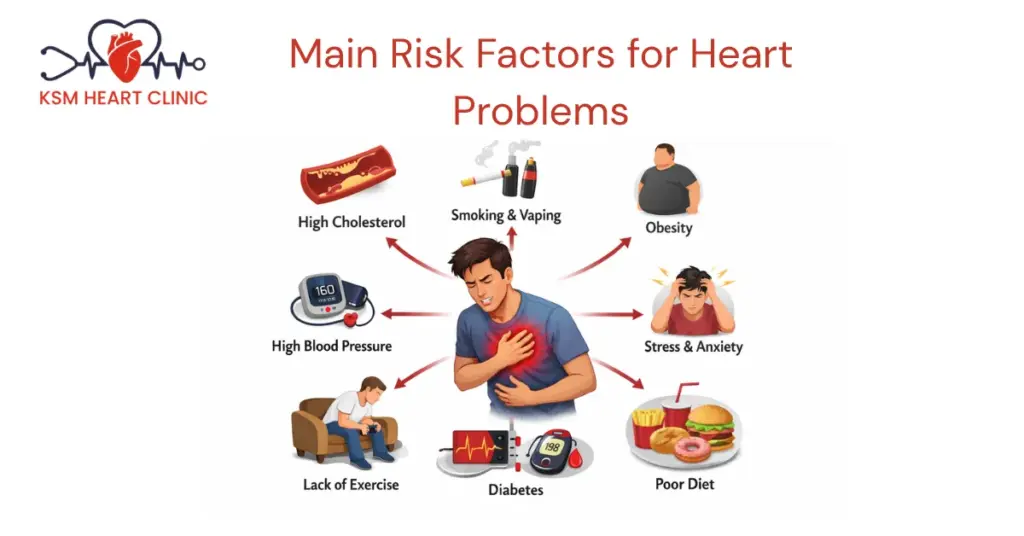
- Smoking and Nicotine Exposure: Smoking and vaping damage the inner lining of blood vessels and reduce oxygen supply to the heart. Nicotine causes blood vessels to narrow, increasing blood pressure and accelerating plaque buildup inside arteries. Over time, this significantly raises the risk of heart disease.
- Unhealthy Diet and Obesity: Frequent intake of processed foods, excess sugar, trans fats, and refined carbohydrates contributes to weight gain, high cholesterol, and insulin resistance. Obesity places additional strain on the heart and is strongly linked to early cardiovascular problems.
- Physical Inactivity: A sedentary lifestyle reduces heart efficiency and slows metabolism. Lack of regular exercise increases the risk of obesity, hypertension, and poor circulation, all of which contribute to artery blockage over time.
- Substance Abuse Effects: Recreational drugs such as cocaine and amphetamines can trigger sudden artery spasms, dangerously high blood pressure, and irregular heart rhythms. These effects may lead to heart attacks even in young individuals without prior warning signs.
Metabolic and Medical Conditions
- Diabetes and Hypertension: Uncontrolled blood sugar damages blood vessel walls, while high blood pressure puts continuous stress on arteries. Together, they accelerate the development of atherosclerosis and significantly increase the likelihood of heart complications.
- Elevated Cholesterol Levels: High levels of LDL (bad cholesterol) promote plaque formation inside arteries. Some individuals inherit genetic conditions like familial hypercholesterolemia, leading to dangerously high cholesterol levels from a young age.
- Chronic Psychological Stress: Long-term stress increases cortisol and adrenaline levels. These hormones elevate blood pressure, promote inflammation, and negatively impact heart health when persistent over time.
- Environmental Toxin Exposure: Air pollution and exposure to harmful chemicals contribute to oxidative stress and inflammation in blood vessels. Continuous exposure can increase cardiovascular risk, particularly in urban environments.
Genetic and Structural Predispositions
- Family History Risk: A strong family history of early heart disease increases susceptibility. Genetic factors can influence cholesterol metabolism, blood pressure regulation, and overall vascular health.
- Congenital Heart Defects: Some individuals are born with structural abnormalities of the heart or blood vessels. If undiagnosed, these defects may increase the risk of complications later in life.
- Inflammatory Disorders: Chronic inflammatory conditions, including certain autoimmune disorders or post-infection inflammation, can damage blood vessels and contribute to plaque development. In women, conditions like PCOS may also increase cardiovascular risk.
- Steroid and Supplement Misuse: Unregulated use of anabolic steroids or certain fitness supplements can disrupt cholesterol levels and cause vascular inflammation. Misuse may lead to premature artery damage and increased heart risk.
Warning Signs of Heart Attack in Young People
- Chest discomfort: Persistent pressure, tightness, or heaviness in the chest lasting more than a few minutes can signal reduced blood supply to the heart. It may come and go but should never be ignored. Early medical evaluation is essential.
- Shortness of breath: Breathlessness during mild activity or at rest may indicate that the heart is not pumping efficiently. This symptom can appear even without severe chest pain and requires prompt attention.
- Unusual fatigue: Sudden and unexplained extreme tiredness may occur days before a heart attack young age episode. If fatigue is persistent and unusual, medical evaluation is recommended.
- Jaw, shoulder, or arm pain: Pain spreading to the left arm, jaw, neck, or shoulder may indicate heart-related discomfort. These symptoms are often mistaken for muscle strain but need careful assessment.
- Sudden sweating or nausea: Cold sweats, dizziness, nausea, or light-headedness may occur when blood flow to the heart is compromised. These symptoms should not be dismissed, especially when combined with chest discomfort.
- Silent symptoms in diabetics: Diabetic individuals may not feel typical chest pain. Unexplained breathlessness, weakness, or sudden discomfort can be signs of an underlying Cause of heart attack at young age and should be evaluated immediately.
Risk Factors That Many Young People Ignore
- Energy drinks and junk food: Frequent consumption of energy drinks increases heart rate and blood pressure due to high caffeine and sugar content. Regular intake of processed and fried foods raises cholesterol levels and promotes artery blockage over time.
- Late-night lifestyle: Irregular sleep disrupts hormonal balance and increases stress levels. Chronic sleep deprivation is associated with high blood pressure, weight gain, and metabolic imbalance, all of which increase heart risk.
- Substance abuse: Use of recreational drugs such as cocaine or stimulants can cause sudden artery spasm and clot formation. These substances are known triggers for sudden cardiac arrest in young adults and severe heart complications.
- Extreme gym supplements / steroid misuse: Unregulated supplements and anabolic steroids may raise blood pressure and cholesterol levels dramatically. Such practices significantly increase the Cause of heart attack at young age, particularly in young fitness enthusiasts.
How Is Heart Attack Diagnosed?
Diagnosis of a heart attack involves a combination of clinical assessment and medical investigations. An electrocardiogram (ECG) is performed immediately to detect electrical changes in the heart. Blood tests, particularly troponin levels, help confirm heart muscle damage. An echocardiogram evaluates heart pumping function and checks for structural damage. In many cases, an angiogram is conducted to identify blocked arteries and determine the exact Cause of heart attack at young age, allowing timely intervention.
Treatment Options for Young Heart Attack Patients
Emergency Cardiac Interventions:
- Percutaneous Coronary Intervention (PCI): PCI, commonly known as angioplasty, is a life-saving procedure used to quickly restore blood flow in blocked coronary arteries. A small balloon is inserted through a catheter and inflated at the blockage site. In most cases, a stent is placed to keep the artery open and maintain proper circulation.
- Thrombolytic Therapy: Thrombolytics, also called clot-dissolving medications, are administered to break down blood clots obstructing blood flow to the heart. These drugs are most effective when given within the first few hours of symptom onset. Early intervention significantly reduces heart muscle damage.
- Acute Cardiac Medications: Medications such as aspirin, blood thinners, and nitroglycerin are given immediately to prevent further clot formation, reduce chest pain, and stabilize the patient. These drugs play a critical role in emergency management.
- Coronary Artery Bypass Surgery (CABG): CABG is recommended in cases of severe or multiple arterial blockages. Surgeons create a new pathway for blood flow by bypassing the blocked artery using a healthy blood vessel from another part of the body. This improves oxygen supply to the heart muscle.
Long-Term Cardiac Management:
- Cardiac Rehabilitation Program: Cardiac rehabilitation is a structured program that includes supervised exercise, education about heart health, and lifestyle counseling. It helps patients regain strength, improve cardiovascular function, and reduce the risk of recurrence.
- Ongoing Medication Therapy: Long-term medications such as statins, beta-blockers, and ACE inhibitors are prescribed to control cholesterol, regulate blood pressure, and reduce strain on the heart. Adherence to medication is essential for preventing future complications.
- Smoking Cessation: Complete discontinuation of tobacco use is one of the most important steps in preventing further heart damage. Smoking accelerates artery narrowing and increases clot risk.
- Heart-Healthy Nutrition: A balanced diet low in salt and saturated fats and rich in fruits, vegetables, whole grains, and lean proteins supports heart recovery and reduces risk factors.
- Structured Physical Activity: Regular, doctor-approved exercise improves circulation, strengthens the heart muscle, and helps maintain a healthy weight.
- Stress Reduction Strategies: Chronic stress negatively impacts heart health. Techniques such as yoga, meditation, breathing exercises, and counseling can support emotional well-being and reduce cardiovascular strain.
How to Prevent Heart Attack at a Young Age
Prevention focuses on reducing the cause of heart attack at young age through sustainable lifestyle changes.
- Lifestyle Modifications: Avoid tobacco use and limit alcohol consumption. Maintain a consistent sleep schedule and manage daily stress effectively. Small daily changes can significantly improve long-term heart health.
- Diet Changes: Adopt a balanced diet rich in fruits, vegetables, whole grains, and lean proteins. Reduce salt, sugar, and processed food intake to prevent cholesterol buildup and metabolic disorders.
- Exercise Routine: Engage in at least 30–45 minutes of moderate physical activity most days of the week. Activities such as brisk walking, cycling, or swimming improve heart function and circulation.
- Stress Management: Practice relaxation techniques like meditation, deep breathing, or yoga. Managing emotional and work-related stress lowers blood pressure and reduces the risk of heart attack in young adults.
- Regular Health Checkups: Routine screening for blood pressure, cholesterol, and blood sugar helps detect early warning signs. Early intervention can prevent progression toward the cause of heart attack at young age.
Conclusion
Heart attack at young age is preventable in most cases with early awareness and lifestyle correction. The cause of heart attack at young age is often linked to modifiable factors such as smoking, poor diet, stress, and inactivity. Recognizing warning signs and seeking timely medical care can prevent serious complications. Regular health screening, responsible lifestyle choices, and stress management play a powerful role in protecting heart health. Early detection saves lives. Lifestyle correction is powerful.