The heart is not just another organ. It is the engine that keeps the human body alive and functional every second of the day. From birth to the final stages of life, the heart works continuously without rest. Understanding the importance of healthy heart function helps explain why heart performance directly influences energy levels, organ efficiency, and overall longevity. When the heart works efficiently, the body thrives; when it doesn’t, multiple systems begin to struggle.
Basic Function of the Heart
Pumping Blood Throughout the Body
The heart’s main responsibility is to pump blood to all parts of the body. With every heartbeat, oxygen-rich blood is sent through arteries while oxygen-poor blood returns through veins. This uninterrupted circulation ensures that cells receive oxygen and nutrients required for survival. This constant activity clearly reflects the importance of healthy heart, as even a short disruption can lead to tissue damage.
Maintaining Continuous Circulation
Unlike other organs, the heart cannot pause or slow down for recovery. Even during deep sleep, it maintains steady blood flow to support essential functions. Continuous circulation keeps organs nourished, muscles active, and immune responses alert. This is why the importance of heart in human body systems working together is so critical for survival.
Role of the Heart in Blood Circulation
Transport of Oxygen
Oxygen delivery depends entirely on effective blood circulation. The heart pumps oxygenated blood from the lungs to every cell, supporting breathing, physical movement, and brain activity. When circulation is smooth, the body feels energized and focused. Poor circulation leads to fatigue and reduced organ efficiency, reinforcing the importance of healthy heart function in everyday life.
Delivery of Nutrients
Blood also carries essential nutrients such as glucose, vitamins, minerals, and hormones. The heart ensures these nutrients reach tissues that require them for growth, repair, and energy production. This process supports metabolism and recovery, highlighting the importance of heart health in maintaining long-term physical balance.
Importance of the Heart in Oxygen Supply
Oxygenated vs Deoxygenated Blood
The heart carefully manages oxygenated blood from the lungs and deoxygenated blood returning from the body. By regulating these two flows, it ensures optimal oxygen delivery to tissues. Even minor disruptions in this balance can affect stamina, muscle performance, and mental clarity—demonstrating the importance of healthy heart efficiency.
Support for Organ Function
All major organs rely on oxygen to function effectively. Whether it is mental processing, filtration, or movement, oxygen supply is essential. When oxygen delivery drops due to weak heart function, organs are among the first to suffer. This clearly explains the importance of heart health in preventing organ-related complications.
Heart’s Role in Waste Removal
Transport of Carbon Dioxide
As cells generate energy, carbon dioxide is produced as a waste product. The heart moves this waste-filled blood back to the lungs, where carbon dioxide is expelled during breathing. This process maintains healthy blood chemistry and prevents toxic accumulation, emphasizing the importance of healthy heart activity.
Removal of Metabolic Waste
In addition to carbon dioxide, the heart helps transport metabolic waste to organs such as the liver and kidneys for elimination. Efficient waste removal supports cellular repair and reduces inflammation, reinforcing the role of a healthy human heart in maintaining internal balance.
Heart and Blood Pressure Regulation
The heart regulates blood pressure by adjusting how strongly and how often it pumps blood. Stable blood pressure allows blood to flow smoothly without damaging vessels. When heart function weakens, blood pressure may rise or fall abnormally, increasing the risk of stroke, kidney issues, and cardiovascular disease. This is why medical experts stress the importance of heart health as a foundation for preventing chronic conditions.
Importance of the Heart in Supporting Major Organs
Brain
The brain requires a continuous supply of oxygen and glucose to remain alert and responsive. The heart ensures uninterrupted blood flow that supports concentration, memory, and decision-making. Even brief reductions in circulation can lead to dizziness or poor focus, proving that the importance of healthy heart extends beyond physical strength to cognitive well-being.
Kidneys
Kidneys depend on consistent blood flow to filter waste, regulate fluids, and maintain electrolyte balance. The pressure generated by heart contractions allows this filtration to occur efficiently. If heart function declines, kidney performance may suffer, leading to fluid retention and toxin buildup—showing the importance of heart in human body coordination.
Muscles
Muscles rely on oxygen and nutrients for movement, recovery, and strength. Whether during daily activities or exercise, heart-driven circulation enables muscle performance. A healthy human heart supports endurance, flexibility, and physical resilience at all stages of life.
Impact of Heart Health on Overall Well-Being
Heart health influences more than just physical endurance. It affects mental clarity, emotional balance, sleep quality, and immune strength. Individuals with good heart function often experience better energy levels and stress tolerance. As lifestyle-related conditions increase, the importance of healthy heart care becomes essential for improving overall quality of life.
Conclusion
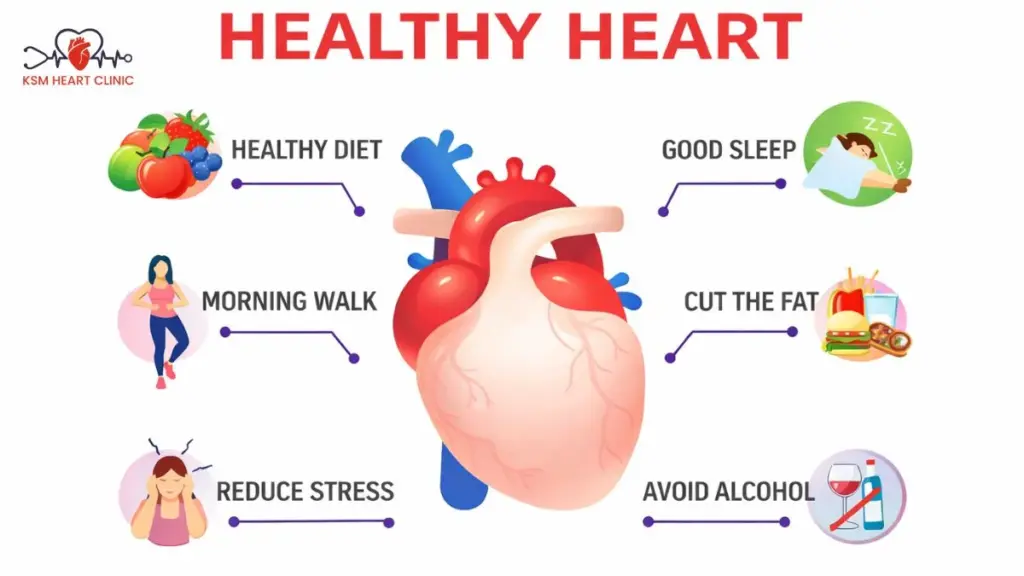
The heart is the silent force that sustains every system in the body. From oxygen delivery and nutrient transport to waste removal and blood pressure control, its role is irreplaceable. Understanding the importance of healthy heart function encourages preventive care and smarter lifestyle choices. By focusing on the importance of healthy heart habits balanced nutrition, regular physical activity, stress management, and timely medical attention we protect not only the heart but the entire body it supports.