Many people become worried when they notice pounding beats, fluttering sensations, skipped pulses, or unusual chest sounds. Heart Sounds and Atrial Fibrillation is an important topic because rhythm problems may start quietly and become more serious over time. Normal heart sounds are created when valves open and close in an organized sequence. When the electrical rhythm becomes disordered, timing can change and blood flow may become less efficient. Learning what is normal, what is unusual, and when to seek help can protect long-term health. This guide explains symptoms, tests, treatment choices, prevention steps, and answers common questions in clear language for everyday readers.
Understanding Normal Heart Function
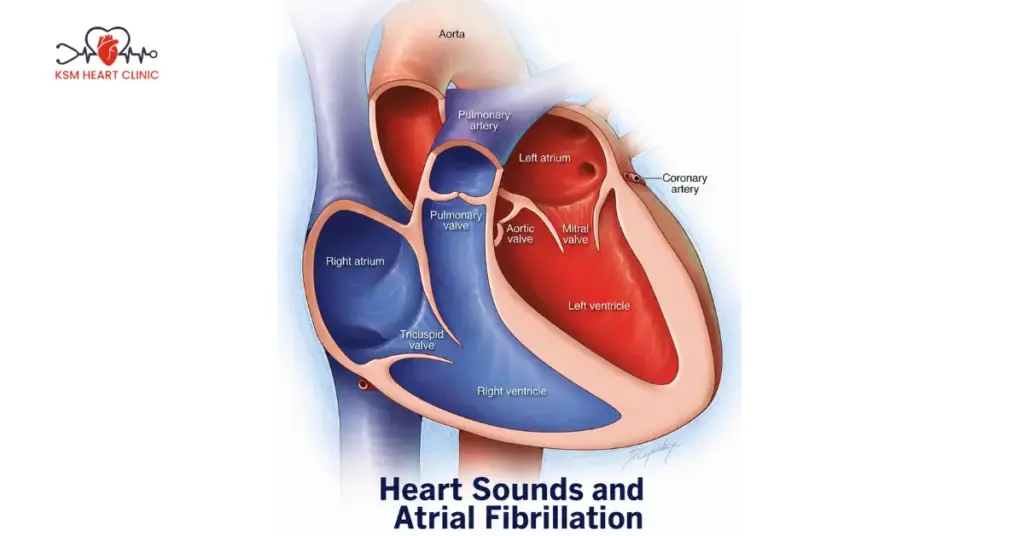
- The heart has four chambers that work together to move blood through the lungs and body. Two upper chambers receive blood, while two lower chambers pump blood outward. Each beat follows a precise electrical signal that begins in the upper area and travels downward.
- Doctors often describe normal sounds as “lub-dub.” The first sound happens when one set of valves closes. The second sound happens when another set closes. A healthy rhythm usually feels steady, even, and dependable.
- Changes in hydration, stress, exercise, caffeine, fever, and sleep quality may briefly alter pulse awareness. Temporary changes are common, but repeated problems deserve attention.
What Is Atrial fibrillation
- Atrial fibrillation is a rhythm disorder where the upper chambers quiver instead of squeezing strongly. Because signals fire rapidly and unevenly, the lower chambers receive mixed messages. The result can be a pulse that feels fast, slow, or inconsistent.
- Some people notice racing beats, weakness, sweating, breathlessness, or reduced exercise tolerance. Others feel nothing and discover the condition during a routine exam. Silent cases still matter because untreated rhythm disturbance may raise the risk of stroke or heart failure.
- Age increases risk, yet younger adults can also develop it when other triggers are present.
How Heart Sounds Change in Irregular Rhythm
- Understanding Heart Sounds and Atrial Fibrillation: Heart Sounds and Atrial Fibrillation are closely related because changes in heart rhythm directly affect how the heart beats and how those beats are heard during examination. In a normal heart, the beats occur in a steady, predictable pattern, producing evenly spaced “lub-dub” sounds. However, when the rhythm becomes irregular, this pattern can change noticeably.
- Irregular Timing of Beats: In conditions like atrial fibrillation, the timing between heartbeats becomes inconsistent. Instead of a regular rhythm, there may be sudden pauses followed by rapid beats. This irregular spacing affects how the heart fills with blood before each contraction, leading to variations in the strength of each heartbeat.
- Changes in Sound Intensity: Because of uneven filling of the heart chambers, some beats may sound stronger while others may appear softer during examination. A well-filled heartbeat produces a clearer sound, while a less-filled beat may sound faint or less distinct. This variation is one of the key clues that doctors listen for when assessing heart rhythm.
- Not a Final Diagnosis: It is important to understand that changes in Heart Sounds and Atrial Fibrillation do not automatically confirm a medical condition. These observations are only initial indicators. Many factors, including stress, fever, or other heart conditions, can also influence heart sounds.
- Need for Medical Evaluation: A healthcare professional may recommend further tests such as an ECG or heart monitoring to understand the exact cause of irregular rhythm. These diagnostic tools provide a clearer picture of heart function and help confirm whether atrial fibrillation or another condition is present.
Early awareness of these changes supports timely medical care and better heart health outcomes.
Heart Murmur Explained
- A Heart murmur is an extra swishing or whooshing sound caused by turbulent blood flow through the heart, often identified during heart sound examination and routine cardiac check-up. Some murmurs are harmless, known as innocent murmurs, and may occur during conditions like fever, pregnancy, growth phases, or physical activity.
- Other murmurs may indicate underlying issues such as heart valve disorders, narrowed or leaking heart valves, congenital heart defects, or structural heart problems. The loudness of a murmur does not always reflect its seriousness—a soft murmur can sometimes require attention, while a louder one may be harmless.
- Doctors carefully assess heart sound abnormalities, including the timing, pitch, and location of the sound, to understand its cause and decide if further evaluation is needed through tests like ECG or echocardiography.
Symptoms and Causes to Watch
Understanding early warning signs of heart rhythm problems is important for timely care and prevention. Recognizing both symptoms and underlying causes can help reduce the risk of complications.
- Common Symptoms: Heart Rhythm Disorders Symptoms often include palpitations, which may feel like fluttering, pounding, skipped beats, or a racing sensation in the chest. Many people also experience unusual fatigue even during simple daily activities. Breathlessness can occur while climbing stairs or walking short distances. Some individuals may feel lightheaded or dizzy when blood circulation becomes less efficient due to irregular heartbeats.
- Frequent Causes: Several factors can contribute to irregular heart activity. Common Cardiac Risk Factors include high blood pressure, diabetes, obesity, and thyroid imbalance. Lifestyle conditions such as sleep apnea, smoking, heavy alcohol intake, and high stress levels can also increase risk. In some cases, infections or dehydration may trigger episodes. Overuse of stimulants like caffeine or energy drinks may worsen symptoms, especially in sensitive individuals. A family history of heart disease can also play a significant role.
- Importance of Early Awareness: Understanding heart rhythm symptoms and causes helps in early identification and better prevention. It also supports timely medical evaluation and effective treatment planning to maintain long-term heart health.
Irregular Heartbeat and Daily Life
An irregular heartbeat can influence many parts of everyday living, including confidence, sleep quality, work concentration, and physical activity. Some individuals may feel anxious during movement because symptoms like palpitations or dizziness appear during exercise. Others may avoid travel or social situations due to fear of sudden episodes, which can increase stress levels.
- Impact on Daily Routine: Irregular Heartbeat Impact on Lifestyle can lead to reduced activity levels and disturbed sleep patterns. Over time, this may affect energy, productivity, and emotional well-being. However, avoiding normal activities completely is not recommended, as it may lead to unnecessary fear and reduced fitness.
- Importance of Structured Care: The best approach is Heart Rhythm Management, guided by proper medical evaluation rather than self-diagnosis or avoidance. Once the underlying cause is identified, many people are able to return to their normal routine with the help of medication, lifestyle changes, or medical procedures when needed.
- Balanced Awareness: It is important not to panic over every skipped beat, but also not to ignore repeated or persistent changes. Balanced awareness and timely consultation support better heart health and daily stability.
Diagnosis Methods
Accurate evaluation of heart rhythm issues begins with a detailed medical history and physical examination. Doctors usually ask about when the symptoms started, how frequently they occur, and whether they are associated with chest pain, dizziness, or shortness of breath. This initial assessment helps guide further testing.
- ECG Test: An Electrocardiogram (ECG for Heart Rhythm Analysis) is one of the quickest and most common tests used to detect rhythm abnormalities. It records the electrical activity of the heart and helps identify irregular patterns.
- Holter Monitoring: A Holter Monitor for Arrhythmia Detection is a portable device worn for 24 to 48 hours or longer. It continuously records heartbeats, making it useful for detecting irregular rhythms that do not occur during a short ECG test.
- Echocardiogram: An echocardiogram uses ultrasound technology to assess heart structure and function. It shows chamber size, valve movement, and pumping strength, helping detect structural causes of irregular heartbeats.
- Blood Tests: Blood investigations may include checks for anemia, thyroid disorders, kidney function, inflammation, and electrolyte balance. These factors can influence heart rhythm and overall cardiac health.
Together, these cardiac diagnostic methods help doctors accurately confirm symptoms, identify causes, and plan appropriate treatment for better heart care outcomes.
Treatment Options
Treatment for heart rhythm problems is based on factors such as age, symptom severity, stroke risk, and overall heart health. Doctors create a personalized plan to manage the condition effectively and reduce complications.
- Rate Control: Heart Rate Control Therapy uses medications that help slow the heartbeat. This allows the heart to pump blood more efficiently and reduces symptoms like fatigue and breathlessness.
- Rhythm Control: In Heart Rhythm Management Treatment, certain medicines are used to restore and maintain a normal, steady heartbeat. This approach is often chosen when symptoms are frequent or disruptive.
- Blood Thinners: When stroke risk is higher, Anticoagulant Therapy for Stroke Prevention may be prescribed. These medications help reduce the risk of blood clot formation and related complications.
- Cardioversion: Electrical Cardioversion Procedure is a controlled medical treatment where a brief electrical shock is delivered to help reset the heart’s rhythm back to normal. It is usually planned and performed in a hospital setting.
- Ablation: In some cases, Catheter Ablation Treatment for Arrhythmia is recommended. Specialists target and remove small areas of heart tissue that are causing abnormal electrical signals.
With proper care, many patients experience significant improvement in symptoms and return to a healthier, more active life.
Lifestyle Protection Plan
- Daily habits strongly influence heart health.
- Eat balanced meals rich in vegetables, fruit, legumes, whole grains, and lean protein. Limit excess salt, processed food, and sugary drinks. Stay hydrated through the day.
- Exercise regularly with walking, cycling, swimming, or guided strength training. Maintain healthy weight because excess body fat strains the heart.
- Sleep seven to eight hours when possible. Untreated sleep apnea often worsens rhythm disorders. Reduce alcohol and stop smoking completely. Use relaxation methods such as breathing practice, meditation, prayer, or calm evening routines.
When to Seek Emergency Help
- Get urgent medical attention for crushing chest pain, fainting, severe breathlessness, sudden weakness, facial drooping, confusion, or trouble speaking. These may indicate stroke, heart attack, or unstable rhythm requiring immediate care.
- If symptoms are new, intense, or rapidly worsening, do not wait for them to pass.
Conclusion
Awareness saves lives. Heart Sounds and Atrial Fibrillation should never be ignored when symptoms persist or intensify. Many rhythm problems are manageable through timely diagnosis, proper treatment, and healthy habits. Listen to your body, monitor changes, and seek medical guidance early. With the right plan, most people continue active, productive lives while protecting long-term heart health. Heart Sounds and Atrial Fibrillation knowledge empowers better decisions every day.